This article was originally published in The Bastion, currently under renovation.
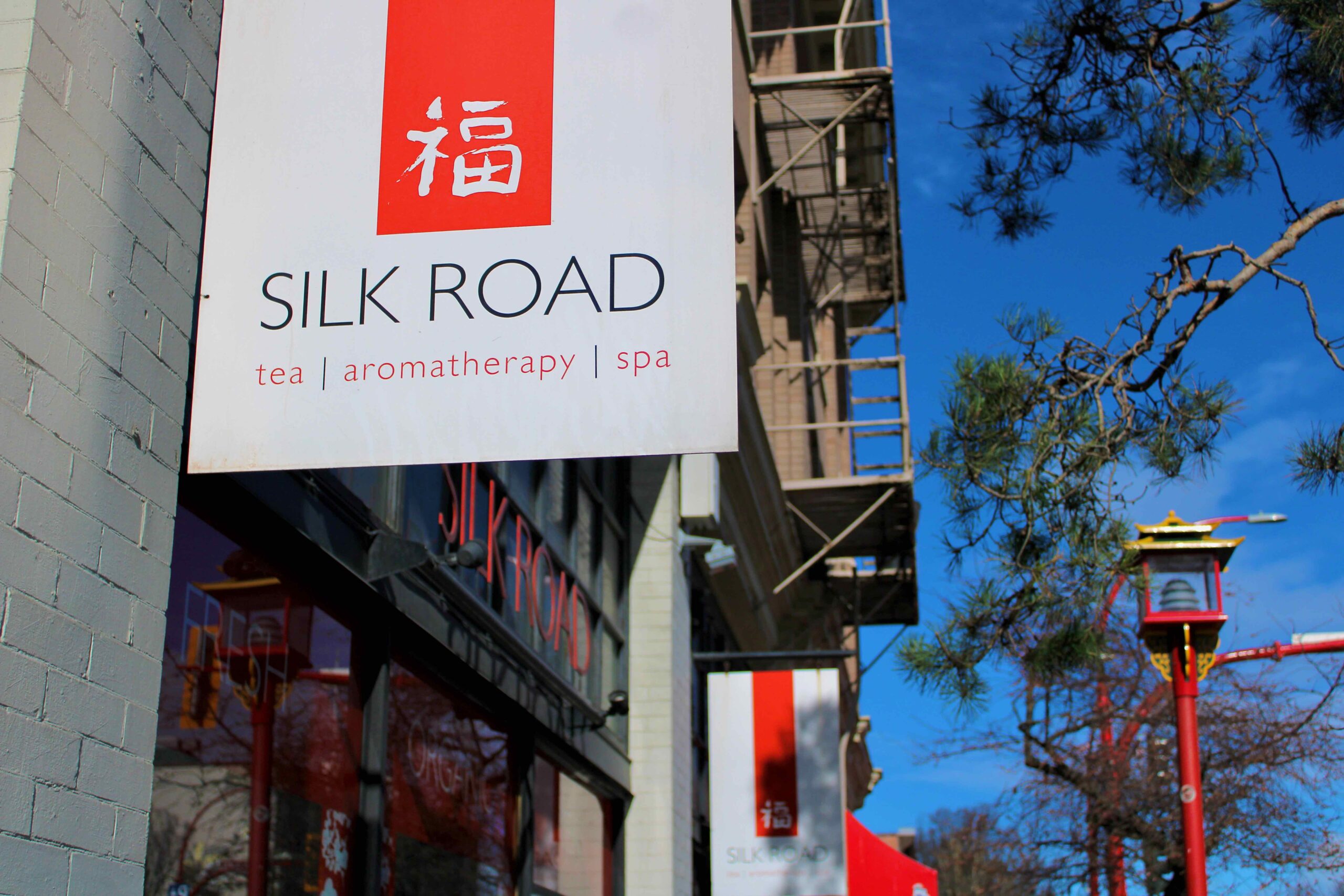
Victoria is an attractive city, in more ways than one: she’s a looker, of course. But on a deeper level, she entices people who value authenticity, creativity, and nature. Perhaps no local business better serves these appetites than Silk Road Tea.
Its company values of “premium quality ingredients, exceptional customer service, an eco-friendly approach, and a commitment to community” have proven a successful recipe, one that has kept aromatic, uplifting decoctions flowing from the edge of Chinatown for an astonishing thirty years.
These values were codified by founder Daniela Cubelic, nationally celebrated as both a certified tea master and an entrepreneur. She shares her passion and knowledge with an erudite cheerfulness, as lively and endearing as a steaming cup of Darjeeling. Considering her company’s three decades of accolades and growth, it’s striking how little she takes for granted.
“Climate change has been hitting tea-growing countries for longer than most have been aware of in North America.” Not to mention the tightrope navigation of the pandemic and the supply-chain calamity courtesy of the relentless war in Ukraine. “It’s a victory that we’re still here.”
When the lockdowns first dropped, Cubelic assumed she would be busy coming up with new teas “to help people escape.” But the reality was surprising: “What became apparent early on is that what people actually craved was comfort.” Which meant consistency, familiarity. “I had better not run out of elderflower, because if we don’t have Angelwater [an herbal decoction of elderflower, spearmint, lavender, and rose], people will lose their minds.”
There is a population divide between those of us who relax into the comfort of reliable sameness (mass-market beer, double doubles, et al.) and those who seek inconsistency, chasing novelty with curious palates and restless cravings. Silk Road has long been a destination for adventurous tea lovers. But even the intrepid consumer, overwhelmed by the uncertainty of our current climate, may find themselves a creature of habit, seeking a steadying anchor against today’s many storms. For any business committed to a purely organic product, uniformity of flavour is becoming exponentially harder to achieve.
In Silk Road’s early days, only an occasional climate anomaly would affect tea crops. “We’ve had hard-weather years before, and seen lowered harvests, or ingredients not tasting as good, but then it would normalize.” About fifteen years ago, however, Cubelic began to see stark shifts in flavour profiles, with producers talking to her about how rainfall patterns were starting to profoundly affect the plants. Harvest season got shorter, interspersed with freak hailstorms and heatwaves. Tea started to change.

 Simon Ogden